
Sunshine Coast Business Loans 2026: The Complete Financing Guide

By Jon Colley, Loan Wize – Mortgage Broker
Navigating the landscape of business loans on the Sunshine Coast in 2026 can be a daunting task for entrepreneurs seeking financial support. This comprehensive guide elucidates the various financing options available, eligibility criteria, and the processes involved in securing a loan. With the increasing growth of small businesses in this region, understanding the intricacies of financing is crucial. In this guide, you’ll learn about different types of loans, the essential requirements needed to qualify, and key considerations to keep in mind when applying. As you strategize for your business, this resource will aid you in making informed decisions regarding financial support.
Types of Available Loans
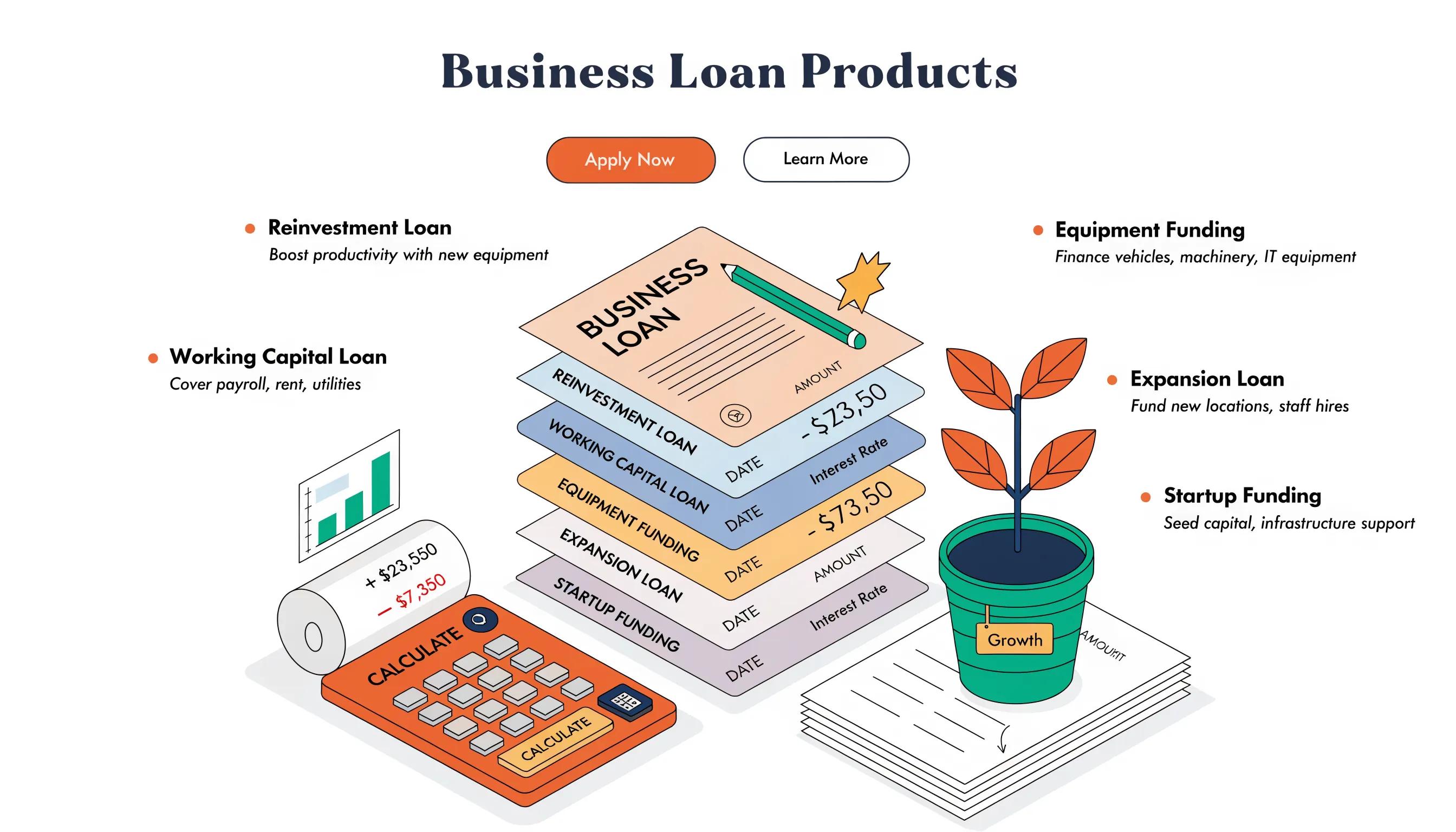
Business loans tailored for the Sunshine Coast come in various forms, each designed to cater to different financial needs and circumstances. Understanding these options can help you identify the most suitable choice for your business.
- Term Loans: These loans provide a lump sum amount that is repaid over a fixed term, typically with a set interest rate. They are ideal for businesses needing substantial amounts for long-term investments.
- Lines of Credit: A flexible financing option allowing businesses to draw funds as needed up to a predetermined limit. Interest is paid only on the amount used, making it suitable for managing cash flows.
- Equipment Finance: This loan type is specifically for purchasing new or used equipment. It allows businesses to acquire necessary tools and machinery without a large upfront investment.
- Commercial Property Loans: Designed for purchasing or refinancing commercial real estate. These loans generally have longer terms and more substantial amounts due to the nature of real estate investments.
- Government-Backed Loans: Often provided at lower interest rates and with more favourable terms, these loans are backed by government agencies to encourage small business growth.
- Secured Business Loans: These loans require collateral, reducing the risk for lenders. They are typically easier to obtain and may offer lower interest rates.
- Unsecured Business Loans: These do not require any collateral but often come with higher interest rates and stricter eligibility requirements.
- Franchise Business Loans: Specifically for franchise owners looking to finance startup costs, equipment, or operating expenses.
Each type of loan offers unique benefits tailored to different needs, making it essential for business owners to evaluate which aligns best with their financial goals.
Eligibility Requirements

Securing a business loan on the Sunshine Coast involves meeting specific eligibility criteria set by lenders. Understanding these requirements can streamline the application process and increase your chances of approval.
- Credit History: A strong credit history is often vital for securing any type of loan. Lenders evaluate your credit score to determine your reliability in repaying loans.
- Business Plan: A comprehensive business plan outlining your objectives, market strategy, and financial projections may be requested by lenders to assess your business viability.
- Documentation: Commonly required documents include financial statements, tax returns, identification proofs, and business licences. Some lenders may have additional specific requirements depending on the loan type.
- Secured vs. Unsecured Loans: For secured loans, lenders will require collateral, typically assets owned by the business. Unsecured loans may have higher standards for creditworthiness.
- Time in Business: Many lenders prefer businesses that have been operational for a minimum period, often starting from 12 months, to ensure some level of stability.
The exact qualifications can differ significantly among lenders, making it important to research and prepare your documentation accordingly.
Key Considerations for Businesses
When considering applying for a business loan, various factors must be weighed to ensure financial prudence and alignment with business goals.
- Interest Rates: Rates can vary widely among lenders and loan types. It is crucial to compare rates to find the most cost-effective borrowing option.
- Repayment Terms: Carefully review the repayment schedule, including the duration and frequency of payments, to ensure that your business can maintain cash flow throughout the repayment period.
- Purpose Alignment: Ensure that the purpose of the loan aligns with your business strategy. Sections of the loan might be allocated to specific expenditures—be it for equipment, expansion, or working capital.
- Additional Fees: Be mindful of any fees associated with taking out a loan, such as application fees, processing fees, and penalties for early repayment.
Make informed choices by considering these factors, as they can have long-term implications for your business’s financial health.
Application Process
Understanding the application process for obtaining a business loan can help streamline your efforts and enhance your chances of success.
- Document Preparation: Gather all necessary documentation that lenders require for the application. This includes business registration documents, financial statements, and identification.
- Consulting Brokers: Consider consulting with finance brokers who can provide insights into suitable lenders and help you navigate the application process effectively.
- Submitting the Application: Once prepared, submit your application along with all requested documents. Accurate and complete information can reduce delays and improve your chances of approval.
- Follow-up: After submission, follow up with the lender to ensure that they have received everything and to inquire about the timeline for decisions.
By understanding these steps, you can approach the application process with greater confidence and clarity.
How to Successfully Apply for a Business Loan in 2026
For businesses in the Sunshine Coast, various financing options are tailored to meet distinct needs, ensuring that entrepreneurs can access the capital required for growth. These include traditional bank loans, peer-to-peer lending, local credit unions, and specialized online lenders.
Understanding the different terms, interest rates, and eligibility requirements from each avenue is crucial for making informed financial decisions. Incrementally, businesses can align their funding strategies with long-term goals, optimising routes to potential investors or financial institutions.
How Do Government Business Grants Support Sunshine Coast Small Businesses?
Government grants are a pivotal resource for small businesses on the Sunshine Coast, providing financial assistance that does not require repayment. These grants aim to spur economic growth, innovation, and job creation within the region.
- Types of Grants: Various grants target specific industries, growth milestones, or research and development initiatives. Understanding the grant types available can help you position your business effectively.
- Eligibility for Grants: Typically, businesses must demonstrate a clear alignment with the goals of the grant, such as economic development or sustainability initiatives. Application processes may include submitting detailed project proposals.
- Impact on Small Businesses: Grant funding can provide a significant boost, helping to offset costs that contribute to operational success and growth, allowing businesses to innovate without the burden of debt.
By leveraging these grants effectively, Sunshine Coast entrepreneurs can enhance their growth trajectory while mitigating financial risks.
What Are Startup Business Loans and How Are They Offered Locally?
Startup business loans are specifically designed to meet the needs of new ventures that may not yet have established credit histories or revenue streams. These loans help to bridge the funding gap typically faced by startup businesses.
- Definition of Startup Loans: Startup loans can be either secured or unsecured and tend to have varied terms depending on the lender’s assessment of the business plan and potential.
- Differences from Traditional Loans: Unlike traditional loans, startup loans often come with higher interest rates due to the perceived risk. Nonetheless, they are an essential resource for entrepreneurs looking to launch their businesses.
- Local Lenders: Many local banks and credit unions offer startup loans with tailored terms for local entrepreneurs, often considering community impact as part of their lending criteria.
By understanding the distinct characteristics and opportunities offered by startup loans, aspiring business owners can better navigate their funding options.
How Can You Compare Sunshine Coast Business Loan Interest Rates in 2026?
Comparing business loan interest rates is a critical step in securing a favourable financing arrangement. Understanding what affects interest rate variations can help you make informed choices.
- Interest Rate Variations: Rates fluctuate based on factors such as loan amount, term length, and the overall risk profile of the borrower.
- Factors Affecting Rates: Your creditworthiness, the lender’s policies, and current market conditions also play significant roles in determining the rates offered.
- Accessing Current Rates: Many online platforms aggregate loan options and rates, allowing potential borrowers to compare and select the best interest rates available.
By being diligent in your comparisons, you can ensure that you secure the most advantageous terms for your business financing needs.
What Are the Differences Between Secured and Unsecured Business Loans?
Understanding the distinction between secured and unsecured business loans is essential for making strategic borrowing decisions.
- Definition of Secured Loans: Secured loans require collateral, such as property or equipment, which the lender can seize if repayments are not met. This reduces the lender’s risk, often resulting in lower interest rates.
- Advantages and Disadvantages: While secured loans generally offer lower costs and higher borrowing limits, they come with the risk of losing collateral or assets if the loan is not repaid.
- Unsecured Loans: These loans do not require collateral and are usually based on creditworthiness, hence they are often more challenging to obtain and can carry higher interest rates.
By weighing the pros and cons of each type carefully, business owners can select the financing structure that aligns with their risk tolerance and financial strategy.
What Are the Essential Eligibility Criteria for Business Loans on the Sunshine Coast?
Each lender may have varying eligibility criteria for business loans, making it crucial for applicants to understand the basics that generally apply.
| Eligibility Factor | Description | Typical Requirements |
|---|---|---|
| Credit Score | A measure of creditworthiness | Minimum score usually 650-700 |
| Business Age | Length of operation | Typically 12 months prior to application |
| Financial Statements | Business’s economic health | Balance sheets, income statements for previous years |
| Documentation | Essential paperwork for application | Business plan, tax returns, ID proofs |
Understanding these criteria aids businesses in preparing for the application process and increases the likelihood of securing necessary financing.
How Do You Successfully Apply for a Business Loan on the Sunshine Coast in 2026?
Applying for a business loan can often feel overwhelming; however, an organised approach can simplify this process significantly.
- Complete Application Process: Ensure all documentation is accurate and reflects the current financial state of the business. Missing or incorrect information can lead to delays.
- Common Pitfalls to Avoid: Be cautious about applying for loans without proper research or understanding terms, as this can lead to unfavorable terms or denial.
- Documentation Checklist: Maintain a checklist of all documents required for submission, ensuring nothing is overlooked. Typical documentation includes financial records, identification, and a well-prepared business plan.
Successfully navigating these steps can empower business owners to secure their desired financing with confidence.
Where Can You Find and Review Local Sunshine Coast Business Lenders?
Locating the right lender is vital for financing success, and the Sunshine Coast presents several options for businesses seeking loans.
- Key Local Lenders: Research reputable banks, credit unions, and alternative lenders operating within the Sunshine Coast region that cater specifically to local businesses.
- Comparison of Offerings: Different lenders provide diverse loan products, so it is crucial to compare offerings in terms of interest rates, fees, and repayment structures.
- Customer Reviews and Ratings: Utilize customer reviews and ratings to gauge lender reliability and customer service quality. Personal experiences can provide insight into what to expect.
This comprehensive approach ensures businesses can find suitable lenders who align with their financing needs.
What Are the Latest Government Funding Updates for Business Loans and Grants in 2026?
Current government funding opportunities are essential to understanding the landscape of available financial support for businesses.
- New Funding Programs: In 2026, numerous programs have been introduced to assist small businesses. Staying updated on these can provide owners with unique access to funds.
- Changes to Existing Grants: Amendments to existing grant programs may impact funding amounts, eligibility, and application procedures. Regular checks on government websites are advisable to stay informed.
- Impact on Local Businesses: Awareness of these updates enables businesses to take advantage of financial assistance, fostering growth and economic stability in the region.
By actively engaging with available funding sources, business owners can bolster their chances of obtaining essential support for their operations.