
Fixed vs. Variable Home Loans: A 2026 Sunshine Coast Guide

By Jon Colley, Loan Wize – Mortgage Broker
Navigating the mortgage landscape in 2026 requires a solid understanding of the two primary loan types available to homebuyers: fixed and variable home loans. This guide is particularly aimed at Sunshine Coast buyers, who are facing unique market conditions this year. As interest rates fluctuate, prospective homeowners will want to be informed about their options in order to make the best financial decisions. By understanding the fundamental differences between fixed and variable home loans, buyers can prepare themselves for potential market changes and choose the option that aligns with their financial plans. In the following sections, we will cover essential aspects like the key differences between loan types, their respective advantages and disadvantages, and important considerations for investors in the Sunshine Coast region.
Guide for Sunshine Coast Buyers in 2026: Fixed vs. Variable Home Loans
When considering a home loan in 2026, buyers should understand what defines fixed and variable home loans. A fixed home loan means that the interest rate remains constant over the term of the loan, providing predictable monthly payments. This stability can be particularly appealing amidst fluctuating market rates. In contrast, a variable home loan interest rate can change according to economic conditions, influencing monthly repayments. Understanding these definitions helps buyers make informed decisions that can affect their financial futures.
Key Differences:
Understanding the key distinctions between fixed and variable home loans is crucial for potential buyers in 2026.
Fixed Home Loans:
Fixed home loans are characterised by their stability. With fixed rates, borrowers enjoy consistent monthly payments throughout the loan term, shielding them from interest rate increases. This predictability allows buyers to plan their finances more effectively. Additionally, fixed home loans often come with terms that span from 15 to 30 years, making them suitable for long-term planning. However, potential fees for early repayment can be a downside, as they could affect the overall cost of the loan.
Variable Home Loans:
Variable home loans offer flexibility, with interest rates that fluctuate based on market conditions. This means that borrowers could benefit from lower monthly payments if rates decrease. Variable loans generally allow for additional repayments without penalty, which can significantly reduce interest over the loan’s lifespan. However, the key drawback is the uncertainty of changing repayments, which could rise unexpectedly with interest rate hikes, making budgeting more challenging for buyers.
Advantages and Disadvantages:
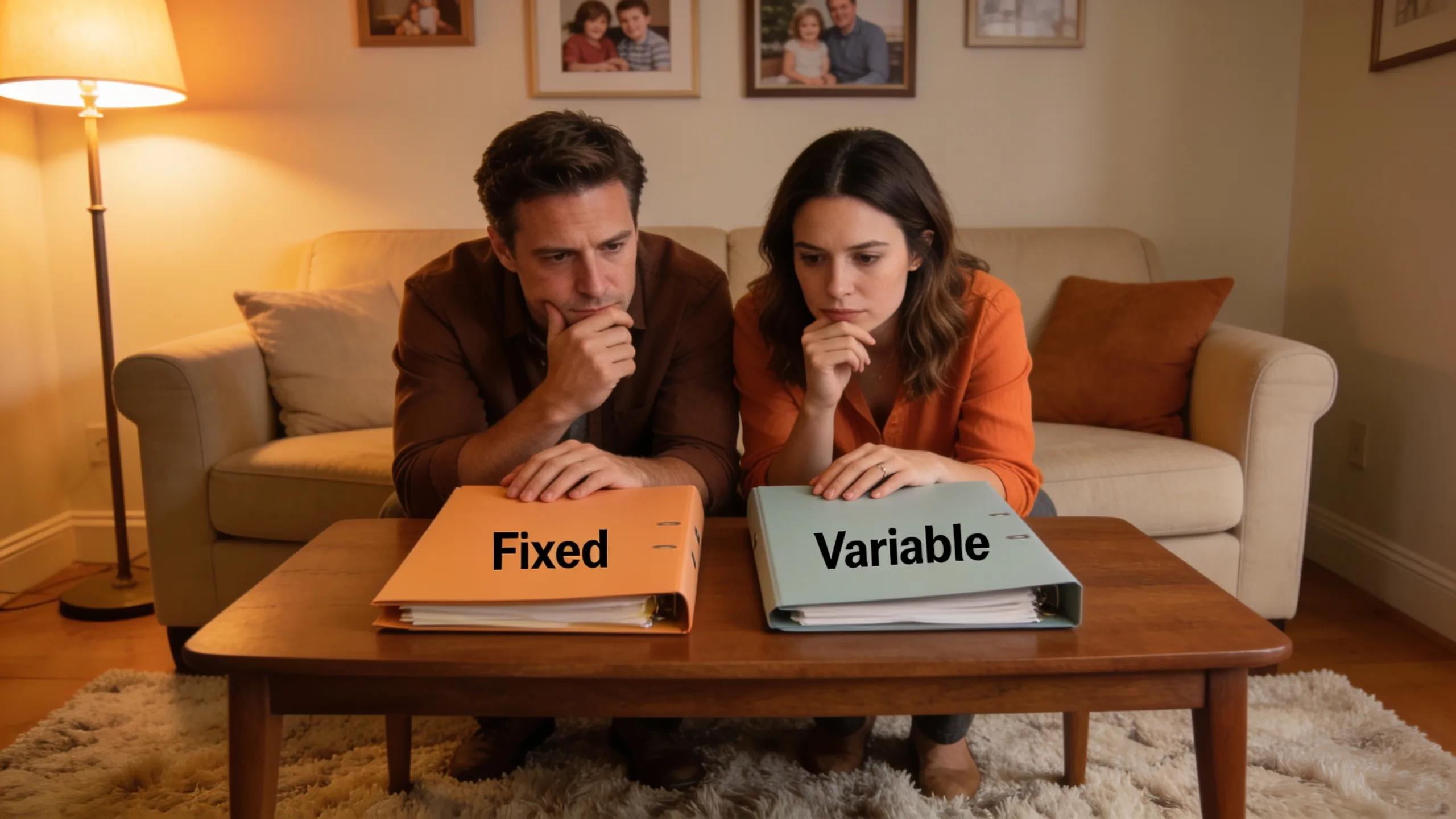
Analysing the pluses and minuses of both loan types is essential for making an informed decision.
Fixed Home Loans:
- Predictability: Fixed loans provide consistent monthly payments, making it easier to budget and plan your finances.
- Protection Against Rate Increases: Borrowers are shielded from rising interest rates, ensuring their debts remain manageable in uncertain economic climates.
- Potential Fees: While stable, these loans may involve penalties for early termination, which could deter some buyers.
Variable Home Loans:
- Lower Initial Rates: Variable loans tend to offer lower initial rates compared to fixed loans, allowing for reduced monthly repayments at the outset.
- Flexibility: Borrowers can often make extra repayments without penalties, contributing to significant savings in interest over time.
- Market Risks: Variable loans are exposed to interest rate fluctuations, which could lead to potential payment increases as borrowing costs rise.
Key Differences Between Fixed and Variable Home Loans
When choosing between fixed and variable home loans, there are several important factors homebuyers should consider. Firstly, buyers should assess current market trends and predictions for interest rate movements. Additionally, personal financial stability, including job security and income fluctuations, can greatly affect the choice of loan type. Lastly, evaluating the specific features and conditions offered by different lenders will ensure that buyers select the most advantageous loan.
Impact of Mortgage Rate Trends and Interest Rate Forecasts:
The broader market context for mortgages in 2026 plays a significant role in influencing buyer decisions. Current forecasts indicate potential changes in interest rates due to economic conditions, which could impact both fixed and variable loan offerings. For buyers, understanding these trends is essential in anticipating how changes in mortgage rates might affect their borrowing costs over time.
Using Mortgage Comparison Tools:
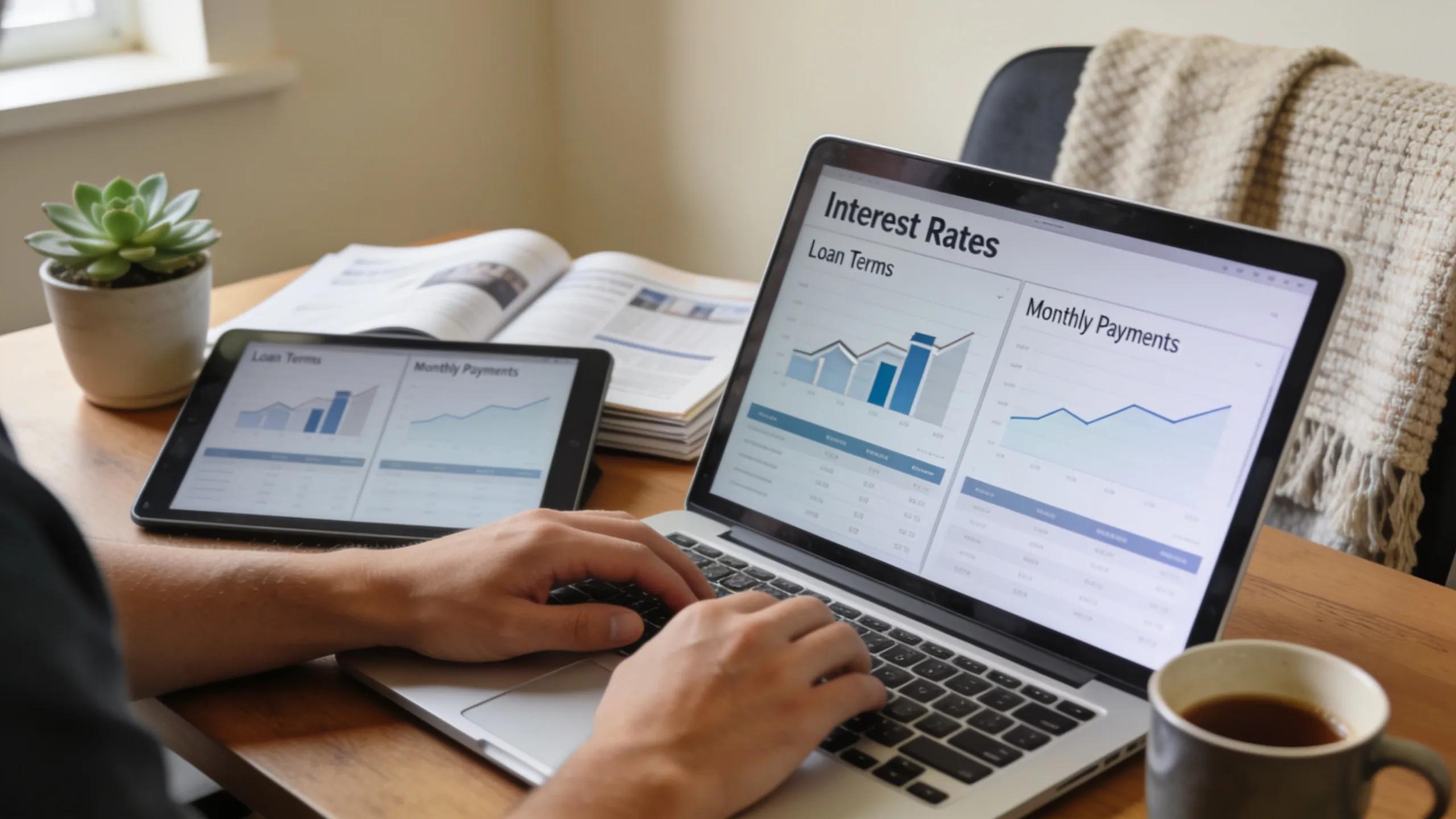
To make an informed choice, potential buyers should utilise mortgage comparison tools. These resources enable users to assess various loan options side by side, examining rates, terms, and conditions. By comparing features like repayment options and fees, buyers can identify which mortgage aligns best with their financial goals. This process is critical in securing the most favourable loan product for their unique situations.
What Are the Key Differences Between Fixed and Variable Home Loans for Sunshine Coast Buyers?
The distinctions between fixed and variable home loans revolve around stability versus flexibility. Fixed loans offer a set interest rate, allowing consistent payments but can come with fees for early repayment. Conversely, variable loans provide potentially lower repayments initially but carry the risk of fluctuating rates and higher costs over time. Understanding these differences empowers Sunshine Coast buyers to make a choice that reflects their financial stability and future expectations.
How Does a Fixed Rate Mortgage Work in the 2026 Sunshine Coast Market?
In the current mortgage landscape on the Sunshine Coast, fixed-rate mortgages provide buyers with stability against rising interest rates. These loans lock in a specific interest percentage for the entirety of the loan term, ensuring that monthly repayments remain constant regardless of market fluctuations. This approach is particularly beneficial in a volatile economic environment, where potential buyers can better manage their budgets with predictable costs.
The following citation highlights how the expiry of fixed-rate terms can impact borrowers’ financial stability due to higher borrowing costs.
Fixed-Rate Loan Expiry: Impact on Borrowers and Financial Stability AbstractFixed-rate borrowing increased significantly during theCOVID-19pandemic, which has delayed the effect of the higher cash rate on borrowers’ cash flows. A key issue for the economic outlook, and by implication financial stability, relates to the ability of borrowers with fixed-rate loans to adjust to substantially higher borrowing costs when their fixed-rate mortgages expire. Borrowers with fixed-rate loans have had a considerable period to adjust their finances to prepare for the increase in their mortgage payments and many appear to have similar savings to borrowers on variable rates. Fixed-rate Housing Loans: Monetary Policy Transmission and Financial Stability Risks| Bulletin–March 2023, 2023
What Factors Influence Variable Rate Home Loans for Sunshine Coast Buyers in 2026?
Variable rate home loans are influenced by various economic factors, including national interest rates and market demand for borrowing. The Reserve Bank of Australia sets overall interest rates that can impact the cost of loans that fluctuate with market dynamics. Sunshine Coast buyers must be aware of economic trends that could lead to increases in variable rates, significantly affecting their monthly payment obligations.
How Are Mortgage Rate Trends Affecting Sunshine Coast Home Loan Options in 2026?
Mortgage rate trends in 2026 are largely shaped by inflation and economic growth indicators. With predictions indicating possible increases in rates as the economy stabilises, potential homebuyers may want to consider locking in fixed rates to mitigate the risks associated with increasing loan costs. Understanding these trends allows buyers to align their financing choices with current market expectations and their personal financial situations.
What Do Current 2026 Interest Rate Forecasts Mean for Fixed and Variable Loans?
Current interest rate forecasts suggest a gradual increase in rates through 2026, primarily influenced by inflation and economic recovery efforts. For fixed loan borrowers, this might mean benefits from locked-in rates, while variable loan borrowers could experience increased financial burden as repayment amounts rise. Buyers must stay informed about these trends to cautiously evaluate their mortgage decisions.
How Are Inflation and Housing Prices Impacting Loan Terms on the Sunshine Coast?
Inflation and housing prices play crucial roles in determining loan terms in the Sunshine Coast market. Rising housing prices have led to an increase in overall loan amounts required for buyers. This scenario may push buyers towards seeking fixed-rate loans to avoid the unpredictability of rising payments associated with variable loans, making clear financial planning a priority.
What Are the Advantages and Disadvantages of Fixed Rate Home Loans for 2026 Buyers?
Fixed-rate home loans present several advantages, notably predictable budgeting with stable monthly repayments, which shield from market fluctuation risks. However, potential downsides include penalties for early termination and possibly higher rates compared to initial variable offerings. Homebuyers must weigh these factors when selecting the most suitable loan product for their needs.
What Are the Benefits and Risks of Variable Home Loan Options for Sunshine Coast Buyers in 2026?
Variable home loans appeal initially due to their lower starting interest rates and potential for extra repayment flexibility, which can lead to substantial savings in interest costs. However, the risks associated with fluctuating rates can result in increased monthly payments, leaving borrowers vulnerable to economic shifts. Careful consideration of personal financial situations is essential when evaluating variable options.
How Can First-Time Sunshine Coast Buyers Choose the Best Home Loan in 2026?
First-time buyers on the Sunshine Coast should approach home loans with a few guiding steps: understanding personal finances, evaluating loan types, and utilising comparison tools effectively. Determining a budget that factors in potential fluctuations in interest rates can better prepare them for various scenarios, thus improving the likelihood of securing a loan that meets their needs.
What Tools and Processes Help Sunshine Coast Buyers Compare and Apply for Home Loans in 2026?
Several tools and processes are available for buyers in the Sunshine Coast area to facilitate loan comparisons. Online mortgage calculators, lenders’ websites, and mortgage brokers provide comprehensive information and guidance. By accessing qualified resources, buyers can streamline their application processes and ensure that they are choosing the right financing solutions tailored to their financial objectives.